Knowledge Organization
On this page6 sections
Overview
How I organize notes, tags, and links in my knowledge management system.
Core Organization Principles
Content Structure
- Group related content thematically
- Maintain clear hierarchies and relationships
- Use consistent naming and linking conventions
- Apply metadata strategically (tags, icons, descriptions)
Information Architecture
- Create logical categories
- Build intuitive navigation paths
- Establish clear relationships
- Enable multiple access points
Implementation Strategies
Starting Points
- Start with broad topic areas like Health and Learning
- Create focused MOCs for key knowledge domains
- Build clear navigation paths between related content
- Regularly review and refine organizational structure
Progressive Development
- Begin with simple categories
- Add complexity as needed
- Maintain balance between structure and flexibility
- Let organization emerge from usage patterns
Best Practices
- Keep content scope well-defined - Clear boundaries aid navigation
- Use descriptive titles and summaries - Enable quick content identification
- Maintain consistent formatting - Reduce cognitive load
- Update organization as knowledge base grows - Evolve with your needs
- Document organizational decisions - Help future navigation
Navigation Tips
- Begin at the main index or MOC hub
- Follow thematic connections through WikiLinks
- Utilize tag-based discovery for cross-cutting topics
- Reference MOC usage guidelines for navigation strategies
- Use search for specific content retrieval
Related Resources
- Knowledge Management Systems - Broader system frameworks
- Note Linking - Connection strategies
- Digital Garden - Public knowledge cultivation
- Learning Atlas - Learning-focused organization
- Skills Development Hub - Skill tracking framework
Further reading
W3C
SKOS Simple Knowledge Organization System Primer
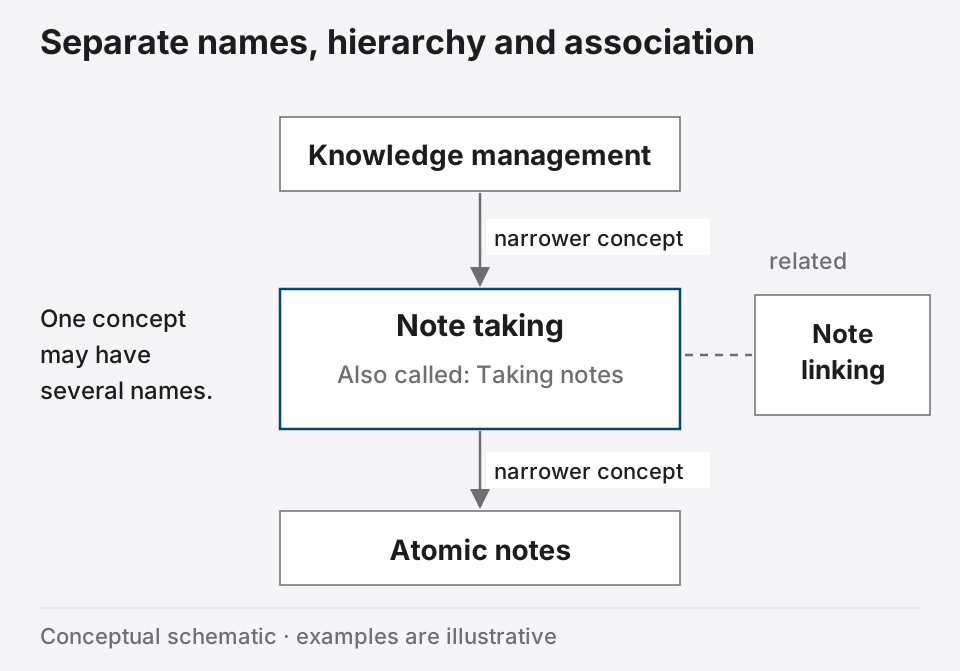
Separate a concept’s names from broader, narrower and associated concepts.
Connected notes
- Digital Garden
- Health
- Health Index
- How to Use MOCs
- Knowledge Management Systems
- Knowledge Management and Personal Growth Synthesis
- Learning Atlas
- Learning Plan
- Living Documents
- MOC Best Practices
- Knowledge Map
- Maps of Content
- Note Linking
- Productivity Systems Hub
- Professional Writing Hub
- Skills Development Hub
- About This Vault