Knowledge Management Systems
On this page6 sections
Overview
A knowledge management system is a framework for organizing, storing, and sharing information within an organization or for personal use. An effective system helps capture, develop, and utilize knowledge efficiently.
Key Components
1. Knowledge Capture
- Note-taking systems
- Documentation processes
- Information gathering methods
2. Organization
- Taxonomies and categories
- Tagging systems
- Cross-referencing
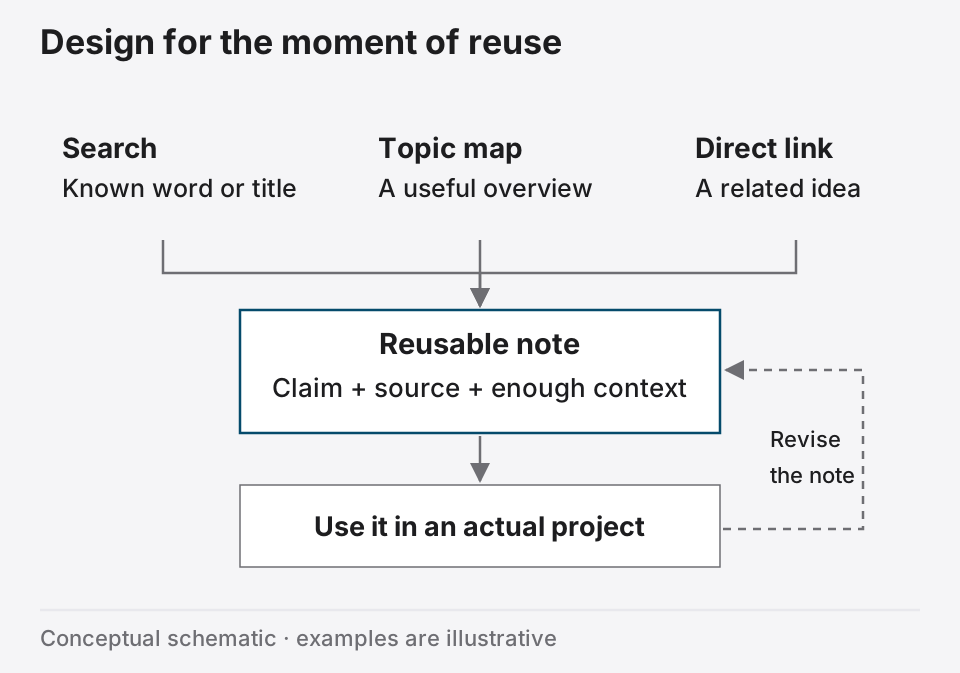
3. Access & Retrieval
- Search functionality
- Navigation structures
- Quick reference systems
- Audit retrieval before trusting an answer - Check source coverage, search results, and answer support separately
Personal Knowledge Management
Core Principles
- Keep it simple and sustainable
- Focus on connections between ideas
- Regular review and refinement
Tools and Methods
- Digital Garden - Public knowledge cultivation
- Zettelkasten Method - Connected atomic notes
- Progressive Summarization - Layered highlighting
- Note Linking - Connection strategies
Best Practices
- Start small and iterate - Build complexity gradually
- Prioritize findability - Organization serves retrieval
- Make connections liberally - Link related concepts
- Review and update regularly - Keep system alive
- Document your process - Meta-knowledge matters
Implementation Strategies
Getting Started
- Define your knowledge domains
- Choose appropriate tools
- Establish naming conventions
- Create initial structure
Maintenance
- Schedule regular reviews
- Prune outdated content
- Strengthen connections
- Refine organization
Related Resources
- Learning Plan - Structured learning approach
- Skills Development Hub - Skill tracking system
- Knowledge Organization - Organization principles
- Learning Atlas - Navigation framework
- Active Learning - Engagement techniques
Tip
Key Insight The best system is one you'll actually use consistently. Start simple and evolve based on your needs.
Further reading
Nick Milo, Linking Your Thinking
MOCs Overview
Use maps of content as flexible entry points into a growing collection of notes.
Tiago Forte, Forte Labs
Progressive Summarization: A Practical Technique for Designing Discoverable Notes
Keep notes easy to scan while preserving the source and context needed to understand them later.
Connected notes
- Active Learning
- Atomic Notes
- Audit retrieval before trusting an answer
- Content Strategy
- Digital Garden
- Knowledge Organization
- Knowledge Management and Personal Growth Synthesis
- Learning Atlas
- Learning Plan
- MOC Best Practices
- Knowledge Map
- Note Linking
- Productivity Systems Hub
- Professional Writing Hub
- Progressive Summarization
- Skills Development Hub
- The Hidden Economics of Grocery Delivery
- Zettelkasten Method