Sleep
On this page8 sections
Essential for physical and mental recovery, quality sleep is a cornerstone of overall health and wellness. Focus on consistent routines and environment optimization.
Current Sleep Goals
Target Metrics
- Duration: 7-8 hours per night
- Consistency: Regular bedtime and wake time (±30 minutes)
- Quality: Deep, restorative sleep with minimal interruptions
- Recovery: Wake feeling refreshed and energized
Sleep Schedule
- Bedtime: 10:00-10:30 PM
- Wake Time: 6:00-6:30 AM
- Wind-down: 9:00 PM (devices off, preparation begins)
Sleep Cycle Understanding
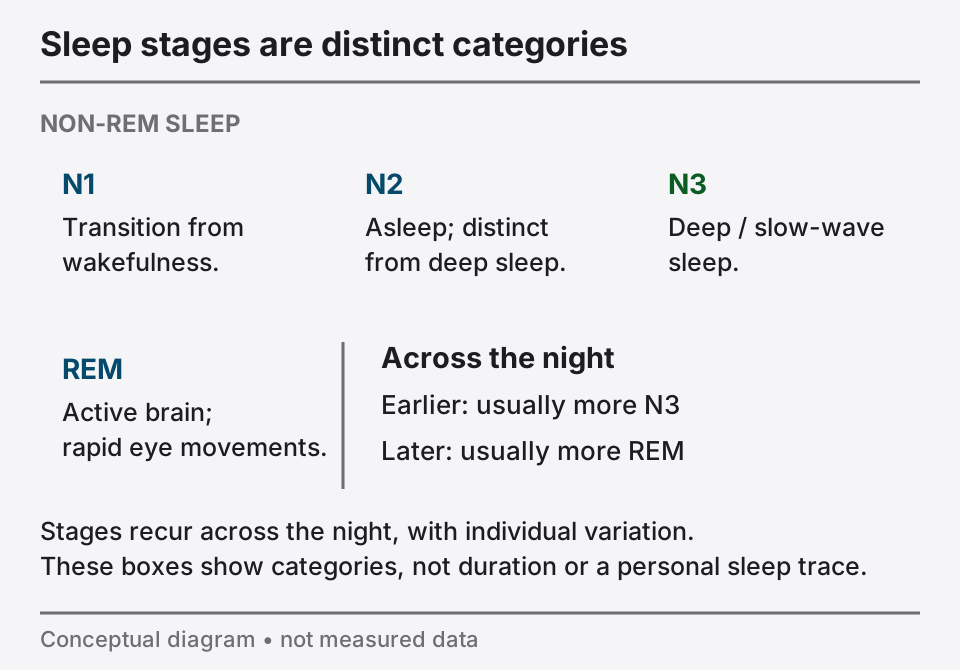
Sleep Stages
- Light Sleep (N1): Transition period, easily awakened
- Stage 2 Sleep (N2): Body temperature drops, heart rate slows
- Deep Sleep (N3): Physical recovery, immune function, memory consolidation
- REM Sleep: Mental recovery, emotional processing, creativity
Optimal Timing
- Complete sleep cycles last 90-120 minutes
- 4-6 complete cycles per night for adults
- Deep sleep dominates early night, REM increases toward morning
Benefits of Quality Sleep
- Cognitive Function: Enhanced memory, focus, decision-making
- Emotional Regulation: Better mood stability, stress resilience
- Physical Recovery: Muscle repair, hormone regulation, immune support
- Performance: Improved reaction time, coordination, creativity
Sleep Hygiene Practices
Environment Optimization
- Temperature: Cool room (65-68°F)
- Darkness: Blackout curtains, minimal light sources
- Quiet: White noise or earplugs if needed
- Comfort: Quality mattress and pillows
- Air Quality: Good ventilation, remove allergens
Evening Routine
- Establish a consistent Bedtime Routine to signal wind-down
- Optimize your sleep environment for comfort and relaxation
- Work with your natural Circadian Rhythm
- No screens 1 hour before bed (blue light restriction)
Common Sleep Issues
Difficulty Falling Asleep
- Racing thoughts or worry
- Caffeine or stimulants too late
- Irregular schedule
- Stress and anxiety
Frequent Awakenings
- Environmental disturbances
- Temperature fluctuations
- Sleep apnea or breathing issues
- Stress or anxiety
Poor Sleep Quality
- Light exposure during sleep
- Alcohol consumption
- Large meals before bed
- Lack of physical activity
Sleep Tracking & Optimization
Key Metrics
- Sleep duration and consistency
- Sleep efficiency (time asleep vs. time in bed)
- Sleep stages and cycles
- Wake episodes and duration
- Morning energy levels
Tracking Methods
- Sleep tracking devices and apps
- Sleep journal for subjective quality
- Morning energy assessment (1-10 scale)
- Correlation with daily activities
Related Areas
- Effective Stress can improve sleep quality
- Regular [Health/Exercise|Exercise] can promote better sleep
- Your [Health/Nutrition|Nutrition] choices can impact sleep patterns
- Apply Habit Formation techniques to establish better sleep routines
Tip
Consistency Maintain a consistent sleep schedule, even on weekends, for optimal sleep quality.
Related Notes
- Exercise
- Nutrition
- Flow State - Sleep quality directly impacts flow state achievement
- Productivity and Health Synthesis - Sleep's role in sustainable productivity
- Active Learning - Sleep consolidates learning and memory
- Deliberate Practice - Recovery through sleep is crucial for skill development
Further reading
National Heart, Lung, and Blood Institute
How Sleep Works: Sleep Phases and Stages
Understand the roles of non-REM and REM sleep and how their balance changes through the night.
Connected notes
- Active Learning
- Deliberate Practice
- Energy Management
- Flow State
- Atomic Habits
- 5-Year Health and Wellness Plan
- Bedtime Routine
- Circadian Rhythm
- Exercise
- Health
- Health
- Health Index
- Mental Health
- Nutrition
- Progressive Overload
- Stress
- Personal Development
- Productivity Systems Hub
- Productivity and Health Synthesis
- Atomic Habits: An Easy & Proven Way to Build Good Habits & Break Bad Ones
- The Body Keeps the Score: Brain, Mind, and Body in the Healing of Trauma