Progressive Overload
On this page6 sections
Progressive overload is a key principle in exercise and fitness training where the demands placed on the body are gradually increased over time to continually improve strength, endurance, and overall fitness.
Core Concepts
- Gradual increase in workout intensity
- Systematic progression of training variables
- Focus on sustainable long-term improvements
- Balance between challenge and recovery
Implementation Methods
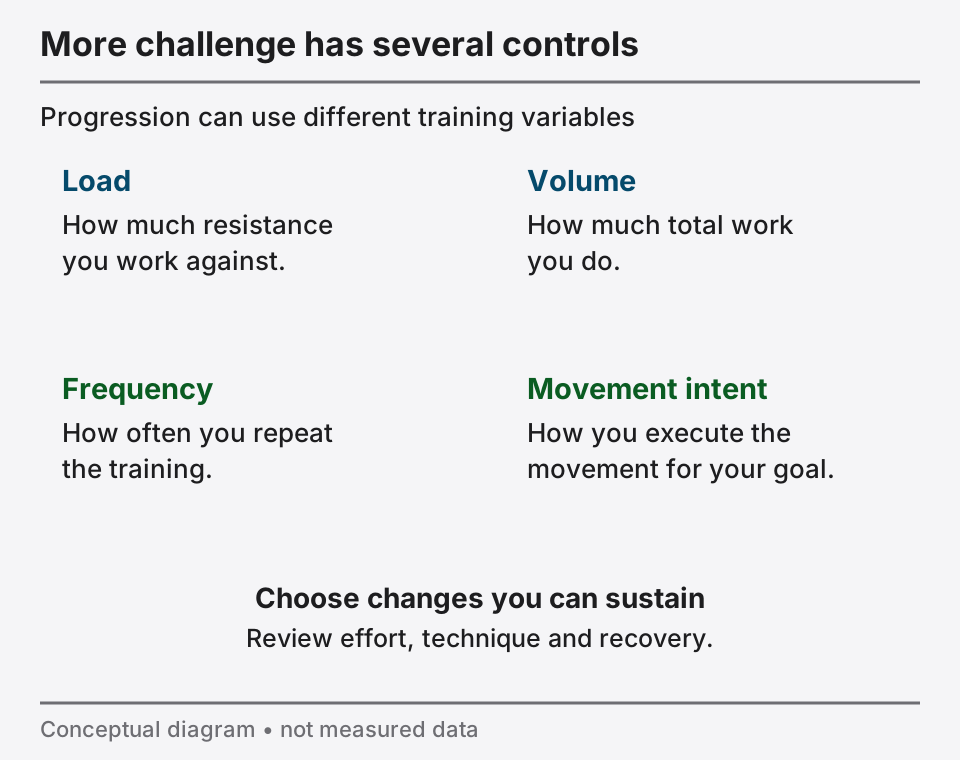
- Increasing weight/resistance
- Adding more repetitions
- Extending set duration
- Reducing rest periods
- Improving movement quality
- Increasing workout frequency
Benefits
- Continued strength gains
- Improved muscular endurance
- Enhanced athletic performance
- Reduced training plateaus
- Better adaptation response
Application Guidelines
- Start with manageable increases
- Monitor recovery between sessions
- Track progress using Workout Log
- Adjust based on Rate of Perceived Exertion
- Follow FITT Principle guidelines
Common Mistakes
- Increasing load too quickly
- Insufficient recovery time
- Inconsistent progression
- Poor form/technique
- Neglecting deload periods
Related Areas
- Exercise programming
- Stress Management for recovery
- Sleep for adaptation
- Health Metrics tracking
Tip
Sustainable Progress Focus on small, consistent increases rather than dramatic jumps in intensity to prevent injury and maintain steady progress.
Further reading
American College of Sports Medicine
Resistance Training Prescription for Muscle Function, Hypertrophy, and Physical Performance: An Overview of Reviews — position stand slides
Review resistance-training guidance on adjusting effort and volume to goals, safety and consistency.