Cue-Routine-Reward
On this page5 sections
The Cue-Routine-Reward cycle, also known as the "habit loop", is a fundamental framework for understanding and changing habits.
Components
- Cue: The trigger that initiates the habit
- Routine: The actual behavior or action
- Reward: The benefit gained from the behavior
Identifying Your Habit Loop
- Notice the cues that trigger habits
- Observe the routine that follows
- Identify the reward you receive
- Document patterns over time
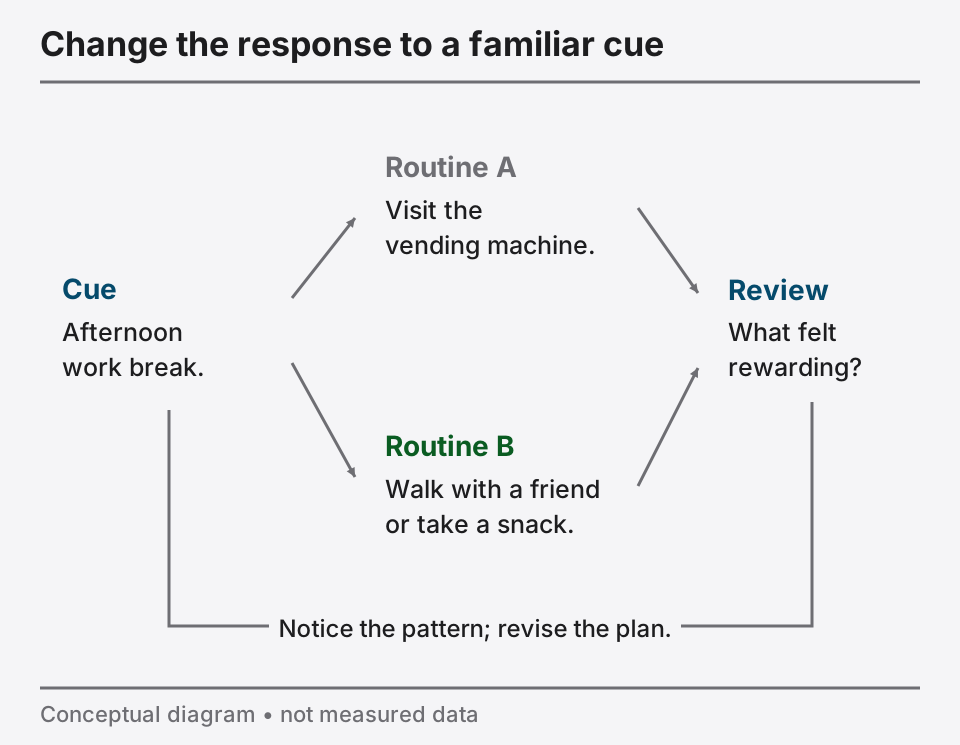
Changing Habits
- Keep the same cue and reward
- Replace the routine with a new behavior
- Start with small, manageable changes
- Track progress using Habit Tracking
Common Applications
- Exercise habits
- Eating patterns
- Sleep routines
- Work productivity
- Stress management
Related Concepts
- Habit Stacking
- Implementation Intentions
- Habit Scorecard
- Atomic Habits
Tip
Focus on Systems Rather than focusing solely on goals, develop systems and routines that make good habits inevitable.
Further reading
Charles Duhigg, official author website
A Reader’s Guide to Using These Ideas — appendix to The Power of Habit
Use Duhigg’s reader’s guide to test alternative routines, identify the reward and plan a response to the cue.