Career Direction Framework
On this page4 sections
The Career Direction Framework helps individuals define their career goals and create a plan to achieve them.
Core Components
Self-Assessment
- Strengths and weaknesses
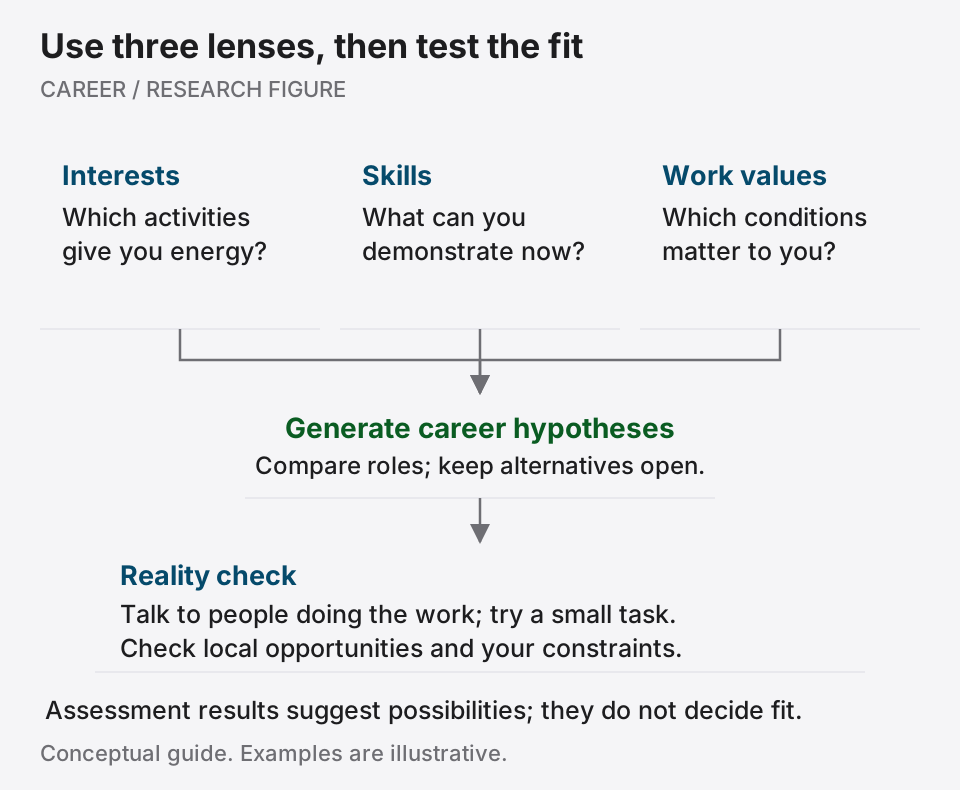
- Interests and values
- Skills and competencies
Goal Definition
- Short-term targets
- Long-term aspirations
- Alignment with personal values
Action Planning
- Steps to achieve goals
- Resource identification
- Timeline creation
Application
1. Career Transition
- Role changes
- Industry shifts
- Skill development
2. Professional Growth
- Continuous learning
- Networking
- Mentorship
Best Practices
- Regularly review goals
- Be flexible
- Seek guidance
Related Notes
Further reading
MIT Career Advising & Professional Development
Self assessment
Reflect on your interests, skills and values to narrow the directions worth exploring.
Stanford Life Design Lab
Designing Your Life
Learn how career prototypes and informational interviews can turn uncertainty into useful feedback.