Interview Types
On this page3 sections
Core Principles
Preparation Framework
- Research - Company, role, industry, interviewer
- Practice - Mock interviews, behavioral stories, technical skills
- Present - Communication, body language, professional presence
- Follow-up - Thank you notes, next steps, feedback
Interview Mindset
- Be authentic - Show your genuine self while maintaining professionalism
- Stay curious - Ask thoughtful questions throughout
- Think aloud - Share your reasoning process
- Listen actively - Engage fully with the interviewer
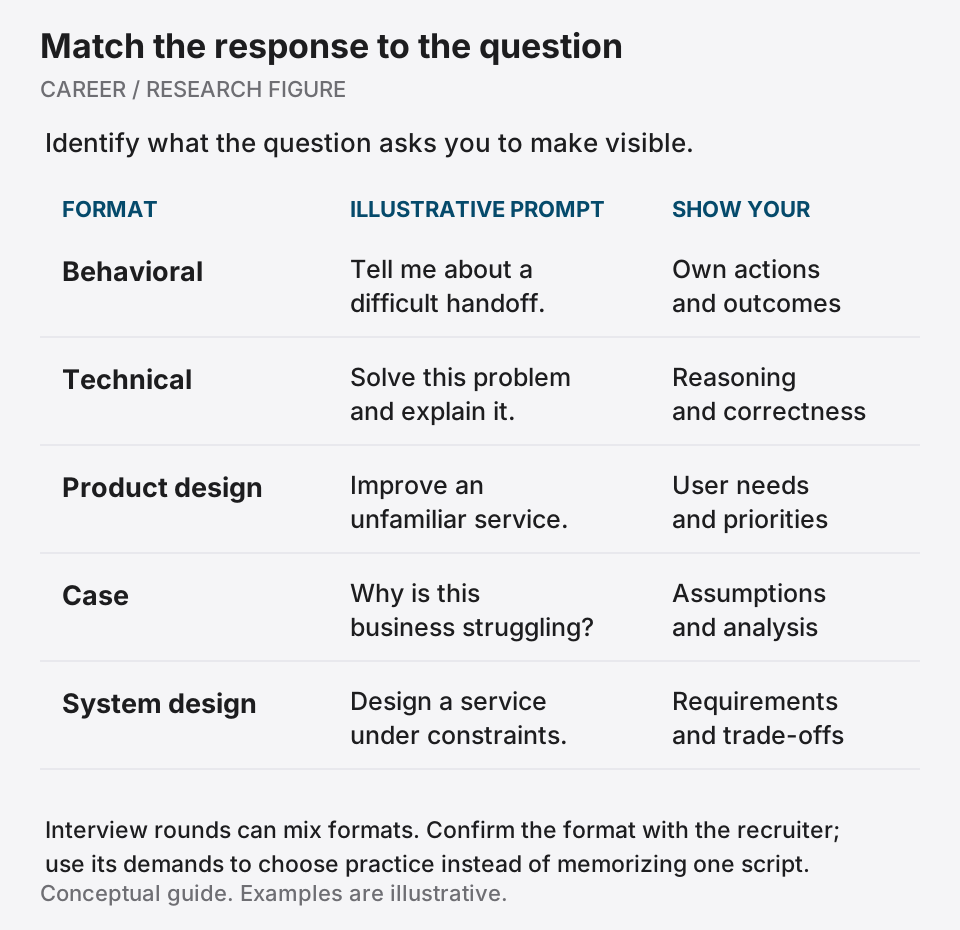
Interview Formats
Behavioral Interviews (45-60 min)
- Questions about past experiences
- Focus on specific situations and outcomes
- Uses STAR Method
- Common topics:
- Leadership examples
- Conflict resolution
- Project management
- Failure handling
- Success stories
Technical Interviews (45-60 min)
- Coding problems
- System design
- Architecture discussions
- White-boarding sessions
- Key areas:
- Data structures
- Algorithms
- System design
- Code optimization
- Technical communication
Product Design Interviews (45-60 min)
- Product improvement
- New feature design
- User experience analysis
- Metrics definition
- Framework application:
Case Interviews (30-45 min)
- Business problem solving
- Market sizing
- Strategy development
- Key components:
- Problem structuring
- Quantitative analysis
- Strategic thinking
- Recommendation development
System Design Interviews (45-60 min)
- Architecture design
- Scalability discussion
- Trade-off analysis
- Focus areas:
- Requirements gathering
- Component design
- Data modeling
- Performance optimization
Resources
- Interview Prep Checklist
- Mock Interview Guide
- Interview Preparation
Further reading
MIT Career Advising & Professional Development
Interview timelines and structure
Understand how interview formats and stages vary, then prepare for the questions each may include.