Raised Beds
On this page5 sections
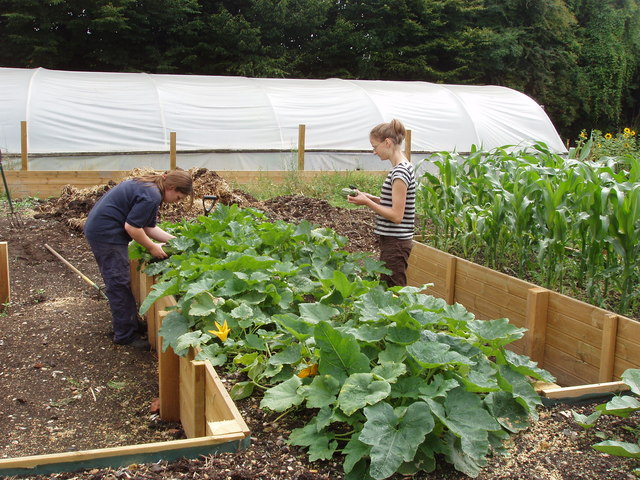
Raised bed gardening offers improved drainage, better soil control, and easier access for planting and maintenance.
Design Considerations
Optimal Dimensions
- Ideal height: 15 inches
- Provides adequate root depth for most vegetables
- Comfortable for kneeling work
- Alternative height: 30 inches
- Easier to reach without bending
- Better for accessibility needs
- Higher material cost but worth it for comfort

Width Guidelines
- Maximum width: 4 feet
- Allows reaching the center from either side
- Prevents soil compaction from stepping in beds
- Length: Flexible based on space
- 8-foot lengths are common for lumber efficiency
Climate Considerations
Plant Hardiness Zone: 10b
- Temperature range: 35°F to 40°F minimum
- Year-round growing potential
- Mild winters allow for cool-season crops
View USDA Plant Hardiness Zone Map
Understanding Frost Dates
A frost date marks the average date of the last light freeze in spring or the first light freeze in fall. Understanding these helps with planting schedules:
- Light freeze: 29° to 32°F (-1.7° to 0°C)
- Tender plants are killed
- Hardy vegetables often survive
- Moderate freeze: 25° to 28°F (-3.9° to -2.2°C)
- Widely destructive to most vegetation
- Only the hardiest plants survive
- Severe freeze: 24°F (-4.4°C) and colder
- Heavy damage to most garden plants
- Requires protection even for hardy crops
Benefits of Raised Beds
- Improved drainage: Prevents waterlogging
- Better soil quality: Complete control over soil composition
- Reduced weeds: Less intrusion from surrounding areas
- Extended season: Soil warms faster in spring
- Easier maintenance: Less bending and kneeling
Materials and Construction
Popular Materials
- Cedar: Naturally rot-resistant, expensive but long-lasting
- Redwood: Similar to cedar, sustainable options available
- Composite lumber: Recycled materials, very durable
- Galvanized steel: Modern look, excellent longevity
Soil Mix for Raised Beds
The classic "Mel's Mix" formula:
- 1/3 compost (varied sources)
- 1/3 peat moss or coconut coir
- 1/3 vermiculite or perlite
Related Resources
- Garden Planning - Overall garden design
- Gardening Tasks - Current projects
- SF Terraced Garden Transformation Guide - Raised bed implementation
Further reading
University of Minnesota Extension
Raised bed gardens
Plan bed dimensions and access while accounting for soil preparation and faster drying.