Environmental Design
On this page3 sections
Environmental Design involves creating spaces that promote health, well-being, and productivity through thoughtful design.
Core Components
Space Layout
- Optimize for functionality
- Ensure accessibility
- Enhance aesthetics
Lighting and Color
- Use natural light
- Choose calming colors
- Adjust for mood
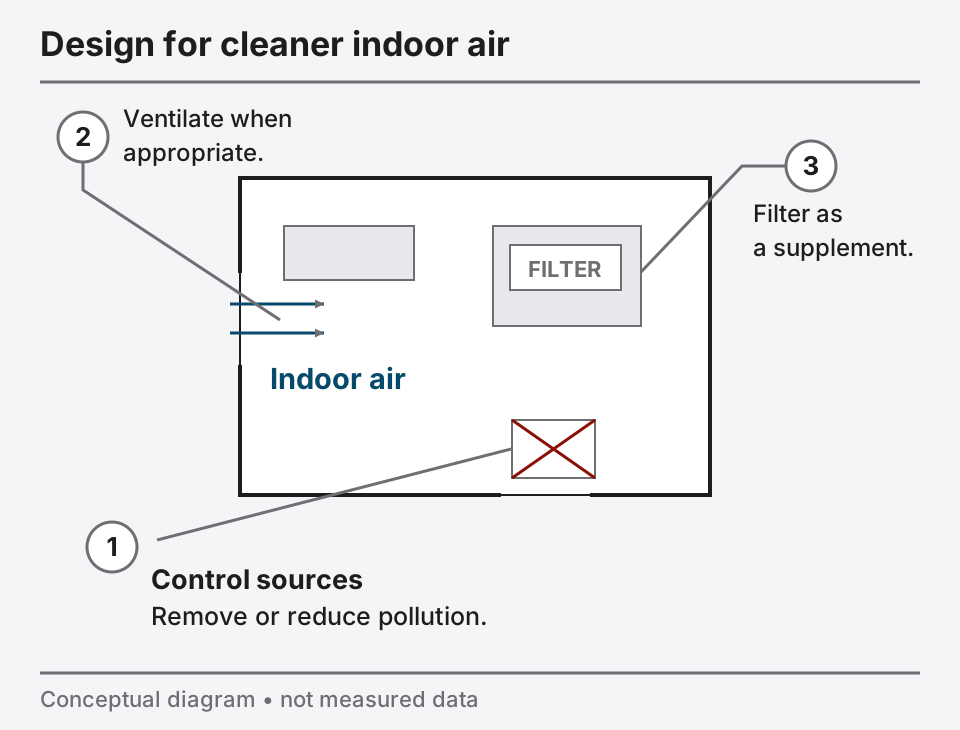
Air Quality
- Ensure proper ventilation
- Use air purifiers
- Incorporate plants
Application
-
Workspaces
- Boost productivity
- Reduce stress
- Improve focus
-
Living Spaces
- Enhance comfort
- Support relaxation
- Foster well-being
Best Practices
- Prioritize user needs
- Incorporate nature
- Adapt to changing requirements
Further reading
U.S. Environmental Protection Agency
Improving Indoor Air Quality
Compare source control, ventilation and filtration when improving indoor air quality.